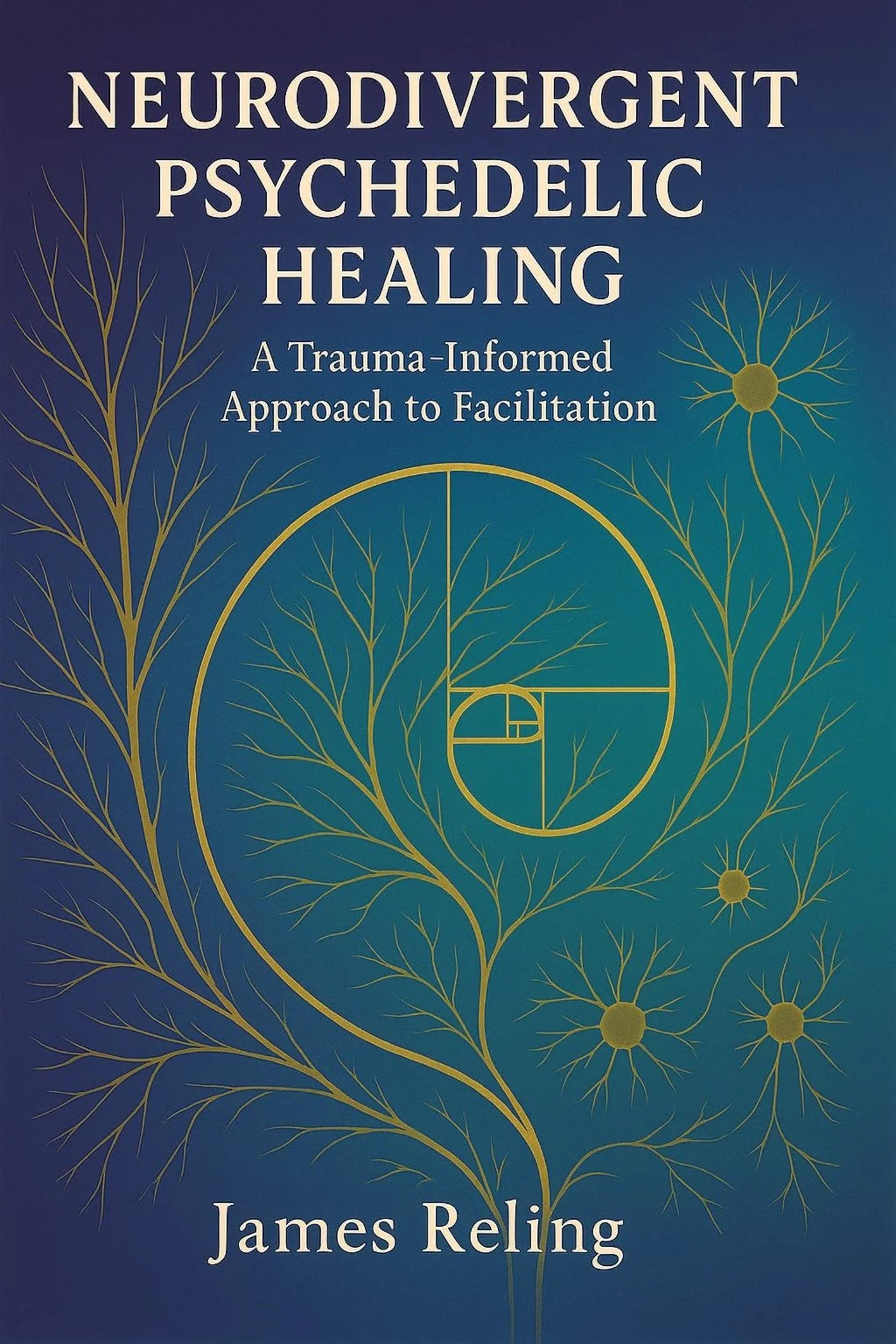
Supporting Neurodivergent Safety: Consent, Risk Reduction, and Medical Considerations - an excerpt from Neurodivergent Psychedelic Healing
Excerpt from Ch 5: Safety is the foundation of ethical psychedelic healing. For neurodivergent individuals, psychedelics can amplify sensory differences, trauma histories, and unique cognitive styles. Effective support therefore includes trauma-informed consent, thoughtful preparation, and environments that respect each person’s nervous system and agency.
When Music Becomes the Bridge: Mystical Experience, Attachment, and Neurodivergent Psychedelic Healing
In many psychedelic journeys that lead to lasting change, there’s a moment when something opens. Time loosens. Meaning sharpens. These mystical states often mark the difference between an experience that fades and one that continues to shape a person’s life. They do not arise from medicine intensity alone, but from a nervous system that feels safe enough to let go. For many neurodivergent people, whose histories may include sensory overwhelm or chronic misattunement, that safety can be hard to access through direct relational engagement. Here, music becomes the bridge. As a low-demand, nonverbal presence, it can offer continuity and containment without requiring explanation or performance, opening pathways to surrender and meaning that are uniquely attuned to neurodivergent ways of experiencing the world.
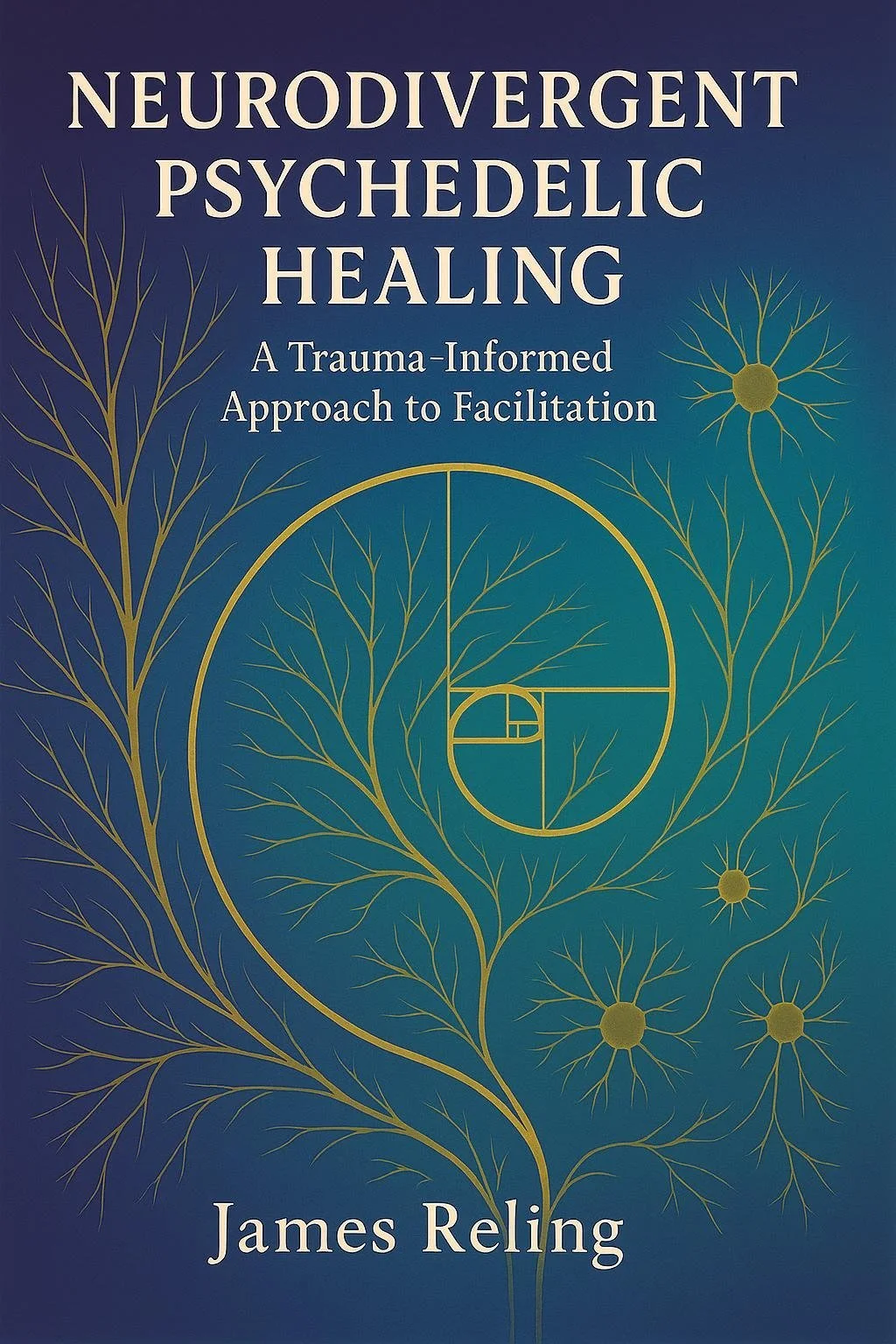
Becoming an Inclusive Guide: Neurodivergent-Affirming Skills for Psychedelic Facilitators - an excerpt from Neurodivergent Psychedelic Healing
Psychedelic facilitators shape whether an experience feels safe and supportive, yet many lack training in neurodivergent accessibility. This chapter explores how neurodivergent-affirming skills, including sensory-aware environments, flexible communication, and affirming language, can reduce harm and deepen trust. By understanding Autism, ADHD, sensory processing differences, and intersecting identities, facilitators can create spaces where neurodivergent clients feel seen, respected, and able to engage fully in their healing process.
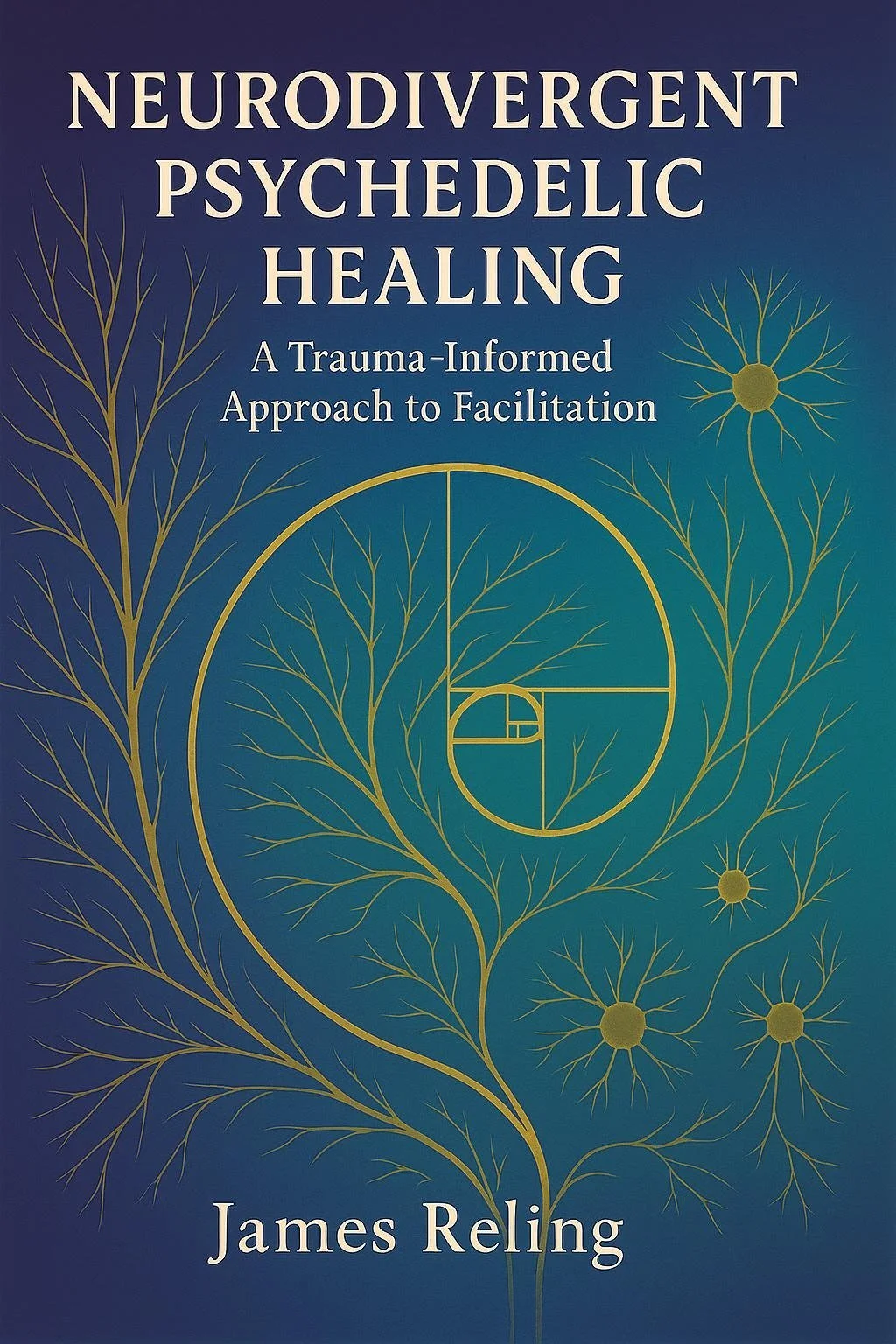
Neurodivergent Burnout (a.k.a. “Autistic Burnout”) and Psychedelic Healing - an excerpt from Neurodivergent Psychedelic Healing
Neurodivergent burnout can reshape a person’s inner world in profound ways. This chapter of Neurodivergent Psychedelic Healing explores burnout as a state of deep depletion that forms when someone moves through life while masking, absorbing sensory strain, and navigating environments that offer little room for rest or authenticity. It also describes how psychedelic work can support recovery through gentle pacing, sensory-aware care, and an emphasis on restoration. When facilitators meet clients with steadiness and compassion, the healing process becomes more spacious and sustainable.
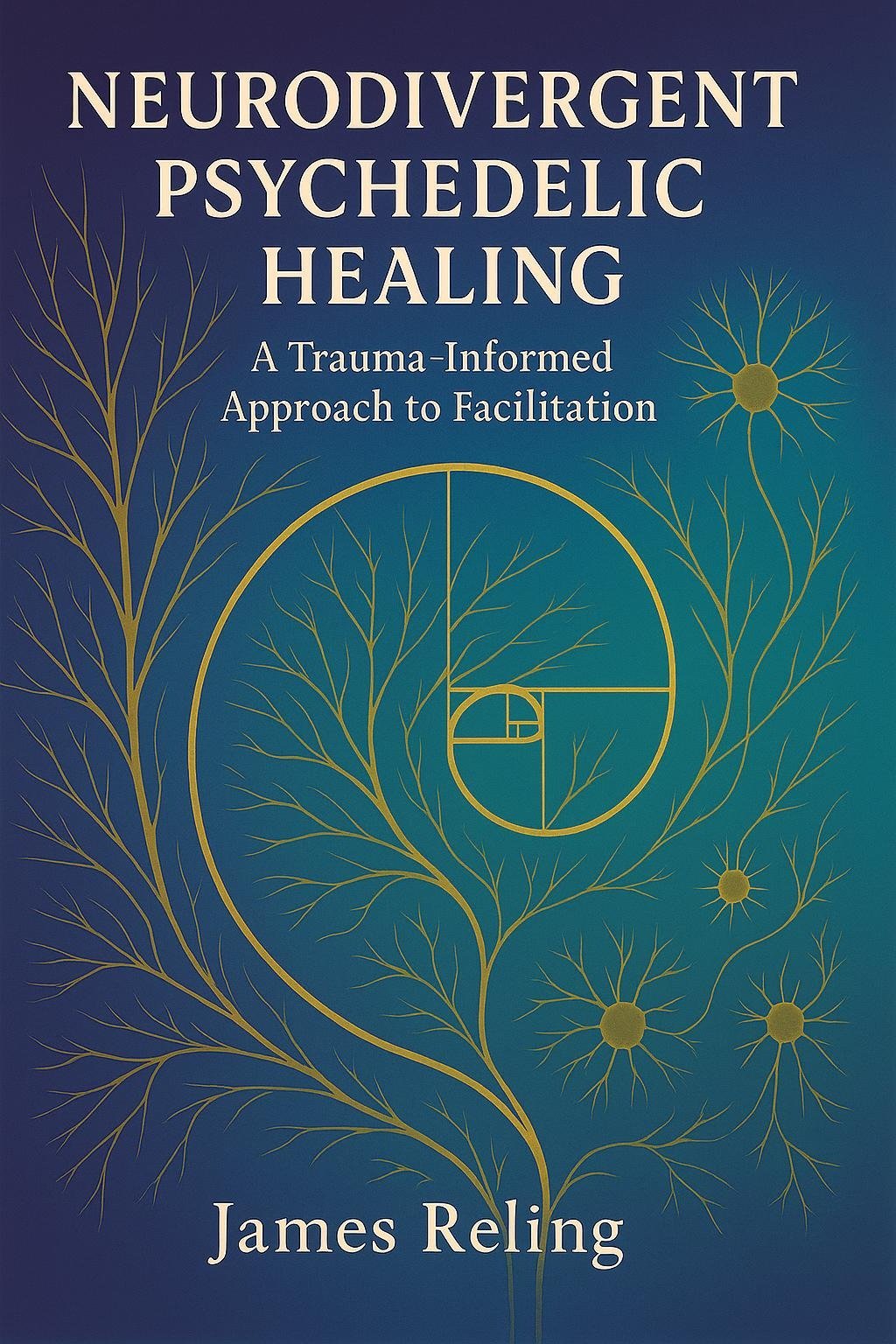
Why I Wrote Neurodivergent Psychedelic Healing: A Trauma-Informed Approach to Facilitation
Neurodivergent Psychedelic Healing did not begin with research or training. It began with feeling confused and misunderstood, and with a lifelong urge to understand what helps people feel safe in a world that often felt too loud and too fast for my nervous system. Growing up in the late 80s and early 90s, psychedelics existed in whispers and warnings, while books, zines, and underground culture hinted at something more complex. Years later, through challenging experiences and eventually naming my own neurodivergence, I began to see a gap where psychedelic spaces spoke about trauma and inclusion while overlooking neurotype differences. This book grew from that gap, offering language and harm-reduction practices for more attuned psychedelic care.
Music Is Directive: Rethinking Non-Directive Psychedelic Practice
Music is never a neutral backdrop in psychedelic therapy. Even the quietest drone or softest harmony can shape the body’s sense of movement, safety, and emotional direction. For neurodivergent listeners, who often perceive sound in sharper detail, those shifts can feel like guidance or intrusion. This article explores why music acts as a directive force in psychedelic sessions, how that influence intersects with autonomy and consent, and what facilitators can do to create soundscapes that support rather than steer the inner journey.
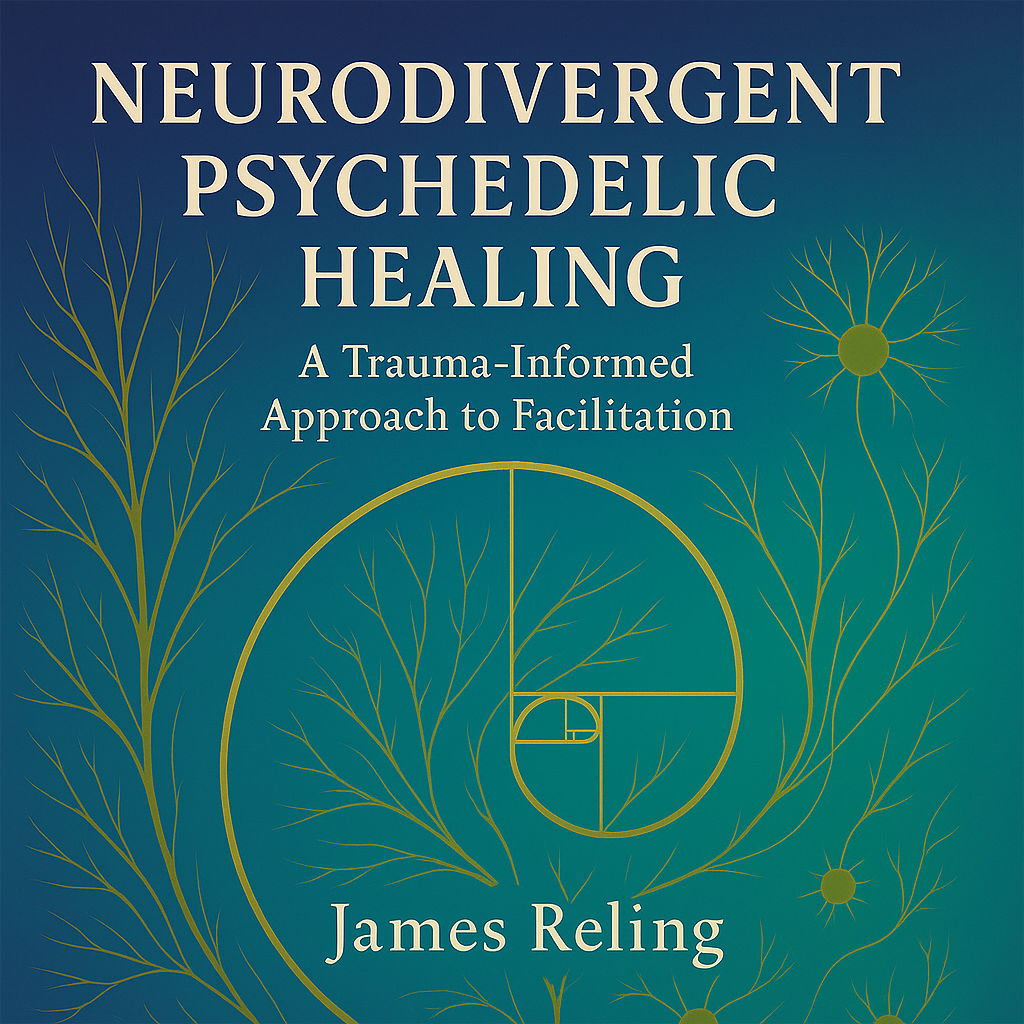
Four Principles of Neurodiversity-Affirming Care - an excerpt from Neurodivergent Psychedelic Healing
Guiding others through psychedelic healing is sacred work. This first chapter of Neurodivergent Psychedelic Healing introduces four simple principles—collaboration, nonjudgment, curiosity, and flexibility—that help facilitators co-create safety with every client. When practiced with presence and care, these values expand what healing can look and feel like for all kinds of minds.
What happens when neuro-inclusion becomes the set and setting itself?

Journey Music for Psychedelic Playlists: Helios — Veriditas (2018)
Helio’s Veriditas invites the listener into dreamlike, emotional terrain—music that feels both intimate and expansive. Its textures cradle the nervous system, supporting integration and reflection after the peak of a journey. This series explores albums that function as companions for inner work—soundtracks that hold, mirror, and move with the listener through altered states.
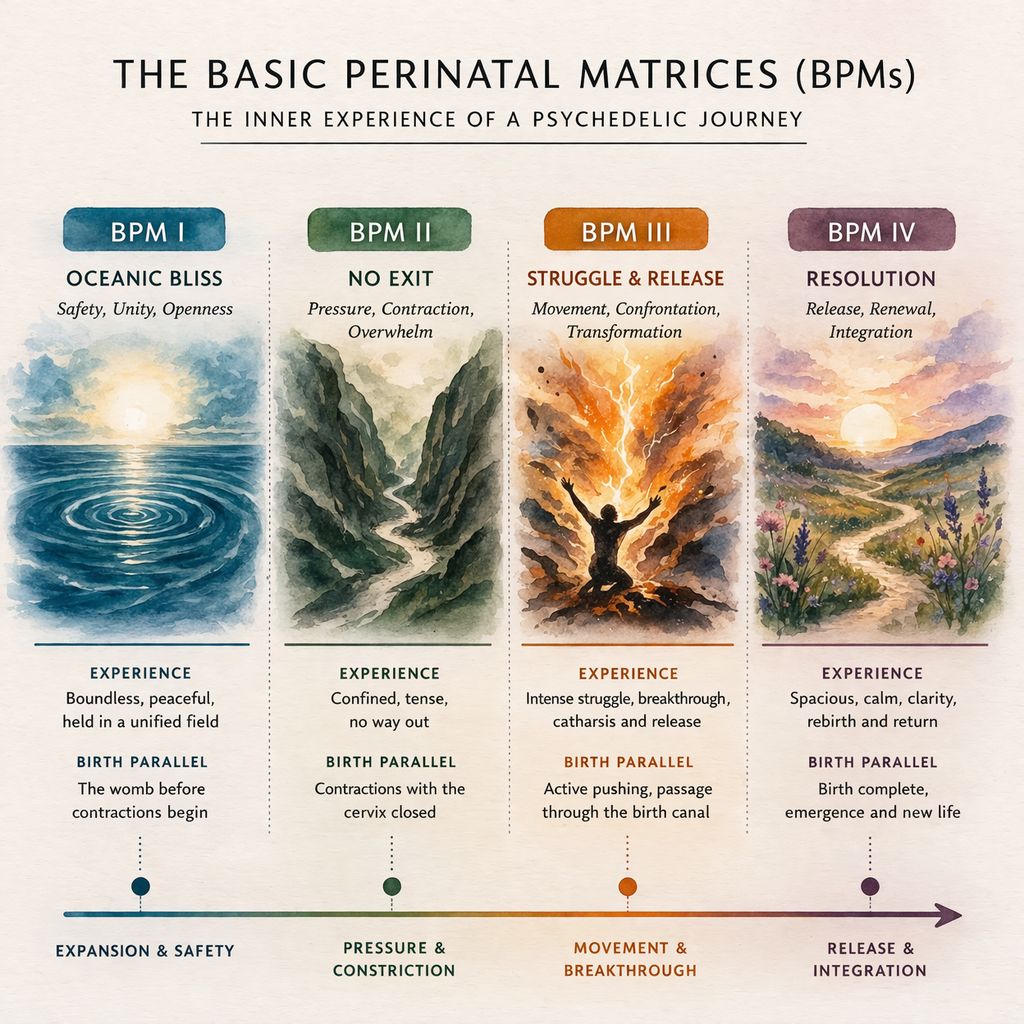
Contours of Sound: Mapping Stanislav Grof’s Basic Perinatal Matrices (BPMs) to Journey Phases and Music Choices
A track comes in low and slow, almost tidal, and the body begins to reorganize around it. Breath lengthens. The edges of the room soften. Over time, patterns start to repeat across journeys, described through maps like Grof’s Basic Perinatal Matrices (BPMs) and the Copenhagen Music Program (CMP). Each traces an arc of opening, pressure, movement, and return from a slightly different angle. When music is placed with care, it can move alongside that unfolding, steadying the nervous system, holding tension, and carrying energy as something inside begins to shift.